Collection: Kitchen Sink
Choosing a kitchen sink is an important step for any building project. As we typically spend about 60% of our kitchen time at or near the sink, choosing wisely can have a positive impact on your kitchen workflow. An effective kitchen sink will make cleaning and food preparation so much easier.
We stock a range of stainless-steel sinks in a variety of configurations. Choose from round edge or square edge, single- or double-bowl, and right- or left-handed options.
-
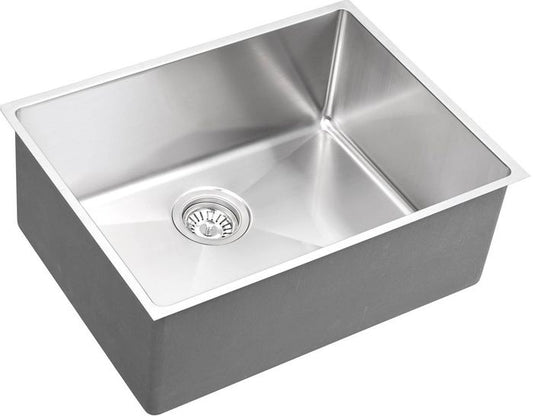
Axon Sink 52S 520x440x220
Regular price $365.00Regular priceUnit price / per$365.00Sale price $365.00 -
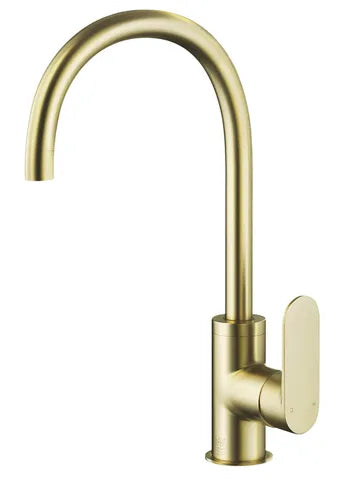
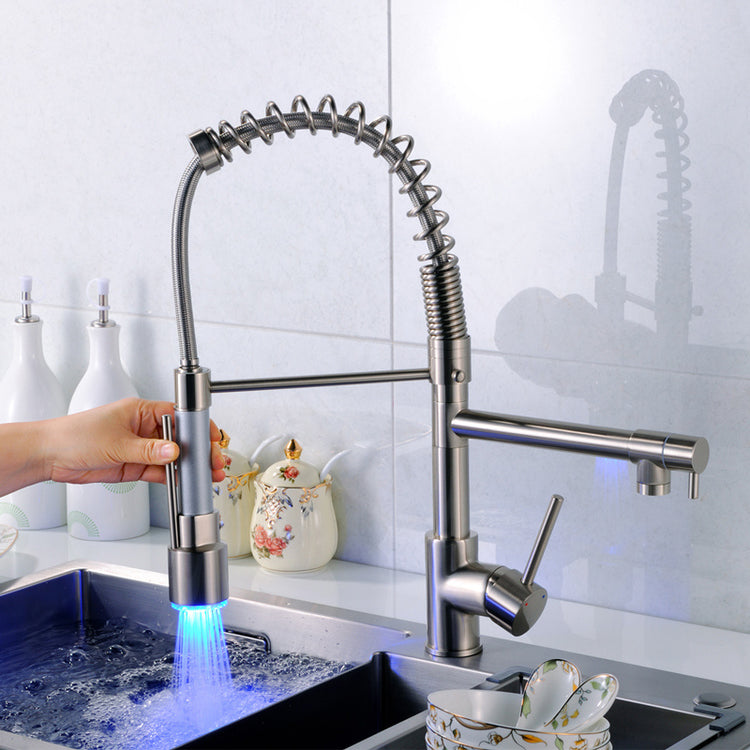
VETTO Kitchen Sink Mixer Brushed Gold
Regular price $272.00Regular priceUnit price / perSale price $272.00 -
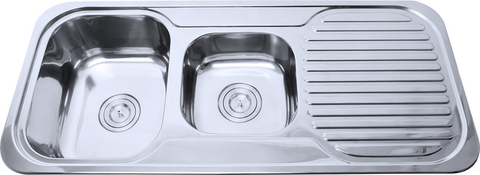
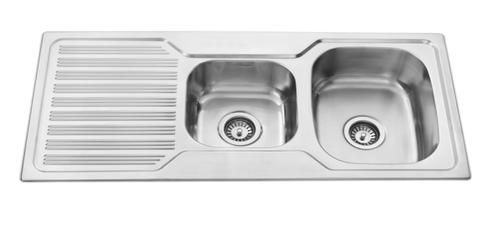
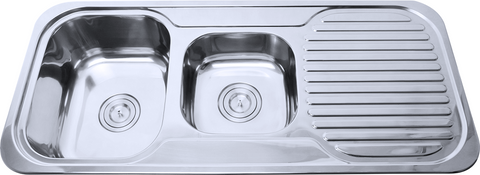
Kitchen Sink Right-Handed with 1.5 Bowl Soft Edge
Regular price $330.00Regular priceUnit price / per$330.00Sale price $330.00 -
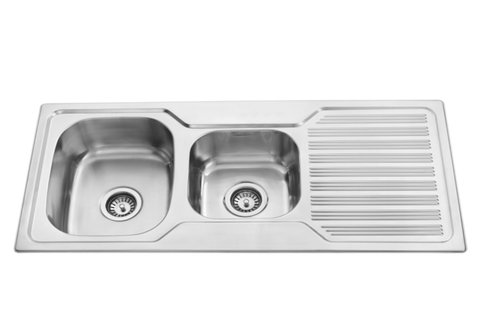
Kitchen Sink Left-Handed with 1.5 Bowl Square Edge
Regular price $330.00Regular priceUnit price / per$330.00Sale price $330.00 -
Kitchen Sink Right-Handed with 1.5 Bowl Square Edge
Regular price $330.00Regular priceUnit price / per$330.00Sale price $330.00 -
Kitchen Sink Left-Handed with 1.5 Bowl Soft Edge
Regular price $330.00Regular priceUnit price / per$330.00Sale price $330.00
Kitchen Sinks FAQs
What types of kitchen sinks are available?
Kitchen sinks are available in a variety of styles, sizes and configurations to suit different kitchen layouts. Popular options include single-bowl sinks, double-bowl sinks, 1.5-bowl sinks, undermount sinks and
top-mount sinks. Stainless steel kitchen sinks are particularly popular in Australian homes because of their durability, versatility and ease of maintenance.
What is the difference between a single-bowl and double-bowl kitchen sink?
A single-bowl kitchen sink provides one uninterrupted basin, making it ideal for washing large pots, baking trays and bulky cookware. A double-bowl sink has two separate basins, allowing you to perform different tasks simultaneously, such as washing dishes in one bowl while rinsing
vegetables in the other. The best option depends on your kitchen size, available bench space and how you use your sink.
What is a 1.5-bowl kitchen sink?
A 1.5-bowl kitchen sink features one full-sized basin and a smaller secondary bowl. This design provides additional flexibility for rinsing food, draining utensils or separating washing tasks without requiring as much
space as a traditional double-bowl sink. It is a practical choice for households that want extra functionality while preserving valuable kitchen bench space.
What is the difference between an undermount and top-mount kitchen sink?
An undermount kitchen sink is installed beneath the benchtop, creating a streamlined appearance and allowing water and crumbs to be wiped directly into the sink. A top-mount sink, also called an inset or drop-in sink, is installed through an opening in the benchtop, with its rim resting on the surface. Both styles offer practical benefits, although installation requirements and benchtop compatibility differ.
Are stainless steel kitchen sinks a good choice?
Yes. Stainless steel kitchen sinks are among the most popular options for Australian kitchens because they are durable, hygienic,
resistant to rust under normal conditions and relatively easy to maintain. They also complement a wide range of benchtop materials, cabinetry styles and kitchen tapware finishes. Quality stainless steel sinks are suitable for busy family kitchens and everyday food preparation.
What is the best grade of stainless steel for a kitchen sink?
Grade 304 stainless steel is widely used for quality kitchen sinks because it offers good corrosion resistance, durability and suitability for everyday kitchen use. Often referred to as 18/8 or 18/10 stainless steel,
it contains chromium and nickel that help protect against corrosion. When comparing stainless steel kitchen sinks, also consider the steel thickness, construction quality and surface finish.
What is the difference between square-edge and rounded-edge kitchen sinks?
Square-edge kitchen sinks feature straighter lines and tighter internal corners, creating a contemporary, architectural appearance.
Rounded-edge or soft-edge sinks have more curved corners, which can make wiping and cleaning easier. Both designs are available in stainless steel, and the choice largely depends on your preferred kitchen style and maintenance requirements.
What does a left-handed or right-handed kitchen sink mean?
Left-handed and right-handed kitchen sinks refer to the orientation of the sink's features, such as the main bowl, smaller secondary bowl or draining board. For example, a 1.5-bowl kitchen sink may be available with the smaller bowl positioned on either side. Always check the product diagram to confirm the orientation, as naming conventions can vary between manufacturers.
What size kitchen sink should I choose?
The ideal kitchen sink size depends on your available bench space, cabinet dimensions and everyday kitchen activities. Larger sinks are useful for washing pots and baking trays, while compact single-bowl sinks work well in smaller kitchens and apartments. Before purchasing, check the sink's overall dimensions, internal bowl size, depth and minimum cabinet requirements.
Are deeper kitchen sinks better?
Deeper kitchen sinks provide additional space for washing large cookware and can help contain water splashes. However, an excessively deep sink may be less comfortable for some users, particularly during extended washing tasks. Kitchen sinks around 180–220mm deep are common, although the most suitable depth depends on your height, kitchen layout and personal preferences.
What is the best kitchen sink for a small kitchen?
A compact single-bowl kitchen sink is often a practical choice for smaller kitchens because it provides useful washing space without occupying too much of the benchtop. A carefully selected 1.5-bowl sink may also work if additional functionality is needed. Consider pairing the sink with a swivel or pull-out kitchen mixer to maximise convenience in a limited space.
Are undermount kitchen sinks suitable for all benchtops?
No. Undermount kitchen sinks are generally best suited to solid, water-resistant benchtop materials such as engineered stone, natural stone and suitable solid-surface products. Some laminate benchtops may not be appropriate because the exposed cut-out edges can be vulnerable to moisture. Always confirm compatibility with the benchtop manufacturer and installer
before selecting an undermount sink.
How do I clean and maintain a stainless steel kitchen sink?
Regularly clean your stainless steel kitchen sink with warm water, mild detergent and a soft cloth or non-abrasive sponge. Rinse thoroughly and dry the surface to help minimise water spots and mineral deposits. Avoid steel wool, harsh abrasive cleaners and prolonged exposure to bleach or
chloride-based chemicals, as these can damage the protective surface and cause staining or corrosion.
Can I replace my kitchen sink without replacing the benchtop?
In many cases, an existing kitchen sink can be replaced without changing the entire benchtop, provided the new sink is compatible with the existing cut-out, cabinet dimensions and plumbing. Top-mount sinks can sometimes be easier to replace because their rims cover the cut-out edges. An installer or licensed plumber can assess whether modifications are required.
Where can I buy kitchen sinks in Sydney?
ABC Rosebery Tiles offers a range of kitchen sinks, including stainless steel single-bowl and 1.5-bowl designs with different bowl configurations and edge styles. Customers can browse the kitchen sink collection online or visit the ABC Rosebery Tiles showroom at 431 Gardeners Road, Rosebery, Sydney, for assistance choosing suitable kitchen sinks, tapware and tiles for their renovation or building project.